
Entertainment Desk · 2026-08-02
Boy George Exits Jesus Christ Superstar Amid Controversy Over Pro-Israel Song
Official website of Olabode Oluwafemi · One Person. Multiple Companies. One Legacy.
Entertainment Desk
Boy George has stepped down from his role as Herod in the London Palladium's production of Jesus Christ Superstar. This decision follows the release of his new song, which expresses support for Israel's military actions, igniting a wave of criticism and debate around his artistic choices and the implications for his career.
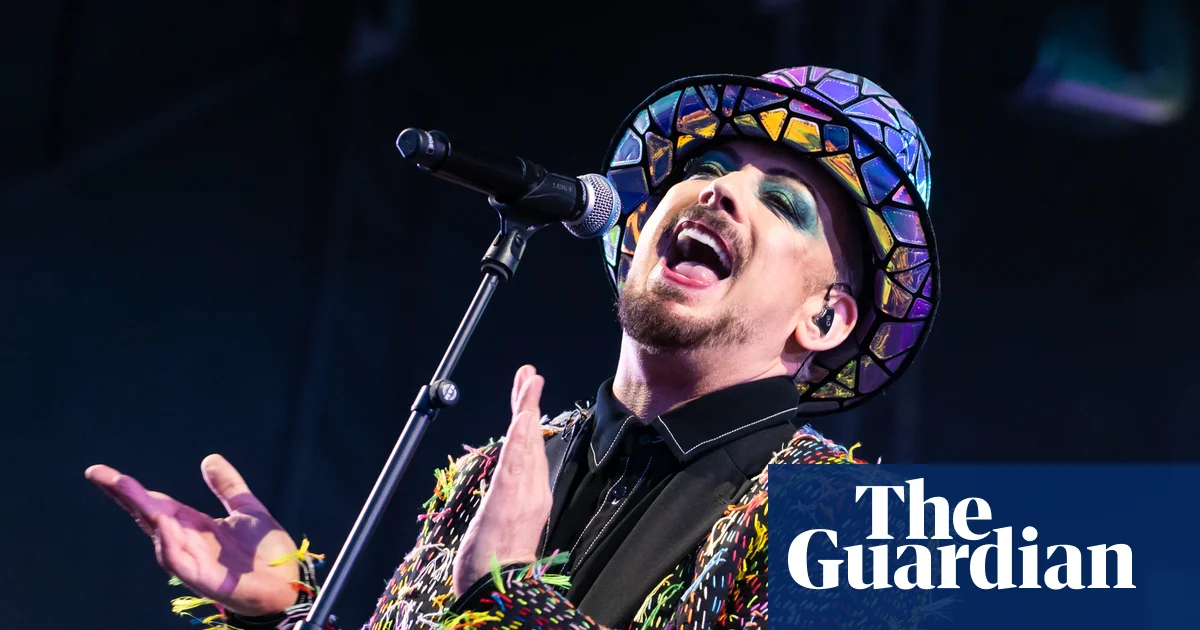
Boy George, the iconic 80s pop star known for his flamboyant style and powerful voice, has made headlines once again, but this time for reasons that extend beyond his music. The artist has officially withdrawn from the upcoming London production of Jesus Christ Superstar, where he was set to portray the role of King Herod. This decision comes just days after he released a new song titled 'עוד נרקוד' ('We Will Dance Again'), which has drawn significant attention for its pro-Israel sentiments amid the ongoing conflict in Palestine.
The song, which has been described as controversial, addresses the current geopolitical climate and the criticism directed at Israel's military actions. Boy George's lyrics reflect a perspective that has sparked heated debates online, with the artist asserting that the narrative surrounding the conflict is often oversimplified. His stance has resonated with some, while others have condemned it as insensitive, particularly in light of the humanitarian crises being reported from the region.
In a statement released by his manager, the decision to pull out of the production was described as being made 'in the best interests of my artist.' This phrase hints at the potential backlash Boy George might face, not just from audiences but also from fellow artists and the theater community. The London Palladium's production of Jesus Christ Superstar is a high-profile event, and any controversy surrounding its cast can have significant repercussions on ticket sales and public perception.
The fallout from the song and his subsequent withdrawal raises questions about the intersection of art and politics. Artists often use their platforms to express their views, but the reactions can vary widely. In Boy George's case, the backlash may demonstrate a shift in how audiences engage with celebrities who take political stances. The implications for his career are significant; as a figure who has long been associated with LGBTQ+ rights and social justice, this new direction could alienate some of his fanbase.
Moreover, Boy George's choice to voice support for Israel during a time of intense scrutiny over its military actions has placed him at the center of a heated cultural debate. The song's release coincided with a UN commission's description of Israel's actions as genocidal, further complicating the narrative. In the world of entertainment, where public opinion can change rapidly, this incident serves as a reminder of the delicate balance artists must maintain between personal beliefs and public perception.
As the theater world prepares for the upcoming production of Jesus Christ Superstar without Boy George, the ripple effects of his decision will likely be felt beyond the stage. The conversation surrounding his song and its implications for his career will continue to unfold, as fans and critics alike grapple with the complexities of art in the context of global politics.
In a time when artists are increasingly expected to take stands on pressing social issues, Boy George's situation exemplifies the challenges they face. His exit from the production not only alters the cast dynamics but also opens up discussions about the responsibilities of public figures in navigating controversial topics and the potential consequences of their choices in the public eye.
Source / full article: The Guardian — Culture — https://www.theguardian.com/music/2026/jul/31/boy-george-pulls-out-of-jesus-christ-superstar-after-releasing-pro-israel-song
Image credit: The Guardian — Culture. Rights remain with the rightful owner.
Source credit
Summary for readers of this site. Full original reporting: The Guardian — Culture ↗