
Entertainment Desk · 2026-07-30
Grammys CEO Addresses BTS' Withdrawal Over Asian Pop Category Controversy
Official website of Olabode Oluwafemi · One Person. Multiple Companies. One Legacy.
Entertainment Desk
In a recent statement, Grammys CEO Harvey Mason Jr. responded to BTS' decision to withdraw from the awards in protest of the newly established Asian Pop category. He emphasized that the category aims to honor the vibrant and diverse pop scene emerging from Asia, but it has sparked significant debate among fans and artists alike.
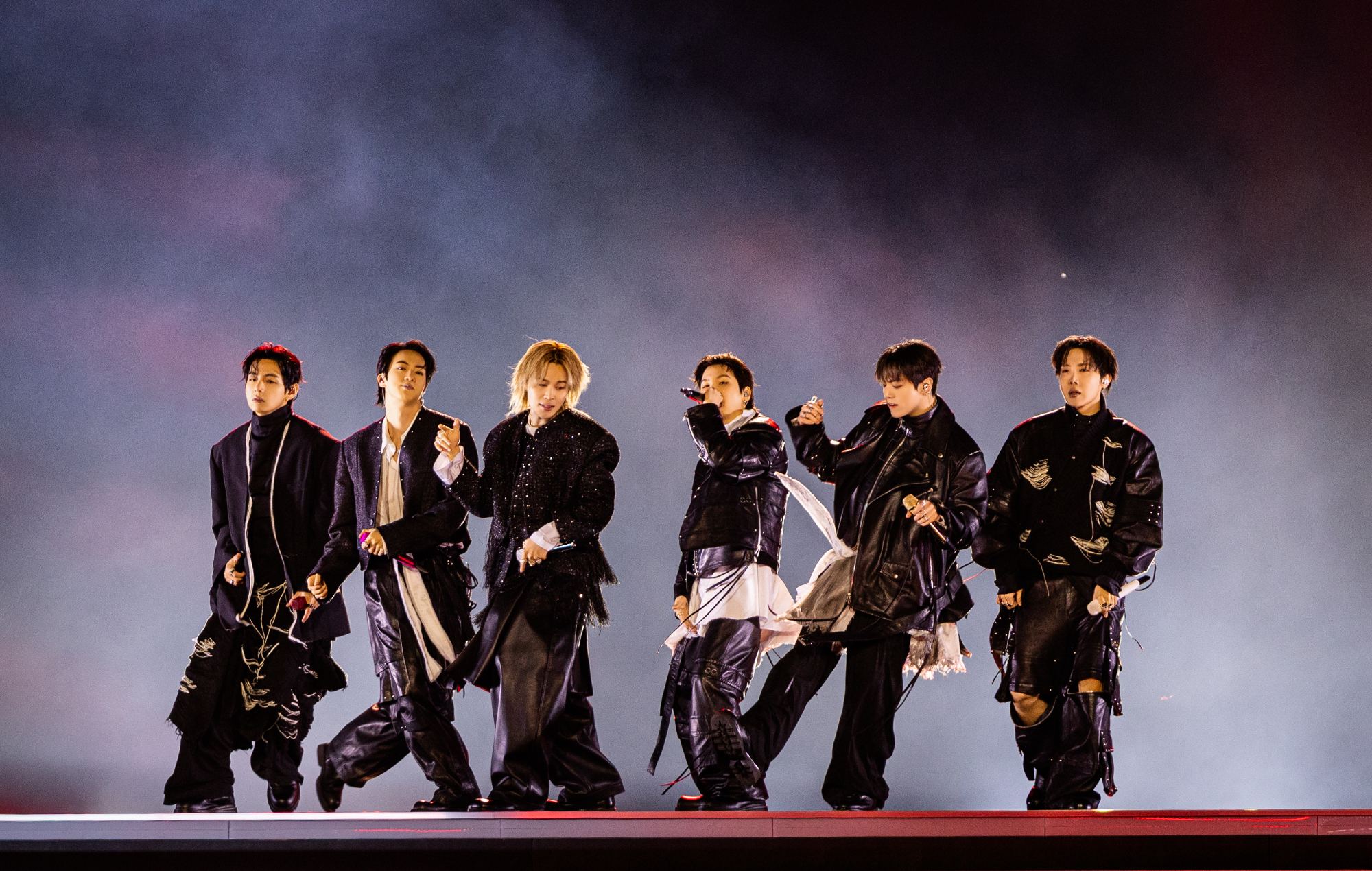
The music industry is no stranger to controversy, and the recent decision by BTS to withdraw from the Grammy Awards has ignited a heated discussion regarding representation in the music community. In response, Harvey Mason Jr., the CEO of the Grammys, clarified the intentions behind the creation of the Asian Pop category, asserting that it was designed to celebrate the "depth, diversity, and extraordinary growth of pop artistry coming out of Asia." However, the backlash from fans and artists, including the globally renowned K-pop group BTS, has raised questions about the category's implications and the broader issues of representation in award shows.
BTS, known for their significant contributions to the global music landscape, has been at the forefront of discussions about the recognition of Asian artists in mainstream music. Their decision to step back from the Grammys serves as a powerful statement about the need for more inclusive categories that accurately reflect the diverse sounds and cultures within the Asian music scene. Fans have rallied behind the group, expressing concerns that the Asian Pop category could be perceived as a form of segregation, rather than a celebration of unity and diversity.
Mason Jr. acknowledged the complexities surrounding the Asian Pop category, noting that the Grammys are committed to evolving and adapting to the changing landscape of the music industry. He emphasized that the awards aim to honor all artists, regardless of their background, and that the inclusion of an Asian Pop category was a step towards recognizing the unique contributions of Asian artists. However, the conversation has opened up a larger dialogue about how award shows can better reflect the diversity of music today.
Critics argue that while the intention behind the Asian Pop category may be positive, it risks pigeonholing artists into specific genres based on their ethnicity rather than allowing them to compete in broader categories. This sentiment is echoed by many in the industry who believe that all artists should have equal opportunities to be recognized for their work, regardless of their cultural background. The backlash from BTS and their fans highlights the ongoing struggle for equitable representation in an industry that has historically marginalized certain voices.
As the Grammys continue to navigate this controversy, the spotlight remains on how award shows can evolve to be more inclusive and reflective of the global music scene. The conversation surrounding BTS' withdrawal serves as a reminder of the importance of listening to artists and fans alike when it comes to creating categories that honor diversity without creating divisions.
Moving forward, it will be crucial for organizations like the Grammys to engage with artists from various backgrounds to understand their perspectives and needs. The music industry is continuously changing, and with it, the expectations of its audience. As fans demand more representation and inclusivity, award shows must adapt to ensure that they remain relevant and reflective of the vibrant tapestry of global music.
In conclusion, the situation surrounding BTS and the Asian Pop category underscores the ongoing challenges of representation in the entertainment industry. As discussions continue, it is clear that the voices of artists and their supporters will play a significant role in shaping the future of music awards and recognition. The Grammys, like many institutions, must evolve to ensure that they celebrate the diversity of talent that exists within the global music community.
The post Grammys CEO reacts to BTS’ backing out in protest to Asian pop category appeared first on NME.
Source / full article: NME — https://www.nme.com/news/music/grammys-ceo-reacts-to-bts-backing-out-in-protest-to-asian-pop-category-3959758
Image credit: NME. Rights remain with the rightful owner.
Source credit
Summary for readers of this site. Full original reporting: NME ↗